
Insulation contractor in Florence-Graham, CA - sealed first, then insulated
Lynwood Spray Foam Insulation is an insulation contractor based in Lynwood that works in Florence-Graham, sealing and insulating attics, crawl spaces and walls in the houses and apartment buildings here, with old material cleared out first.
- Fully licensed and insured.
- Free estimates at your property.
- We reply within 1 business day.
Florence-Graham homes, close-set and lived in
Florence-Graham is an unincorporated community just south of Los Angeles, also called Florence-Firestone, the name county pages use. It's one of the most crowded parts of the county, with South Gate on its east side and Downey a little farther on, where we do the same kind of work.
Most streets are lined with single-family houses and smaller, lower-density buildings, and the bigger apartment buildings sit along the main streets and corners. On our jobs that means houses set close together, narrow side yards and short driveways where the truck and hose have to fit. Inside, we usually climb into a low, tight attic or a crawl space under a raised floor, with whatever insulation went in years ago still up there, so most jobs here start with clearing and sealing before anything new goes in.
Insulation services for Florence-Graham houses and rentals
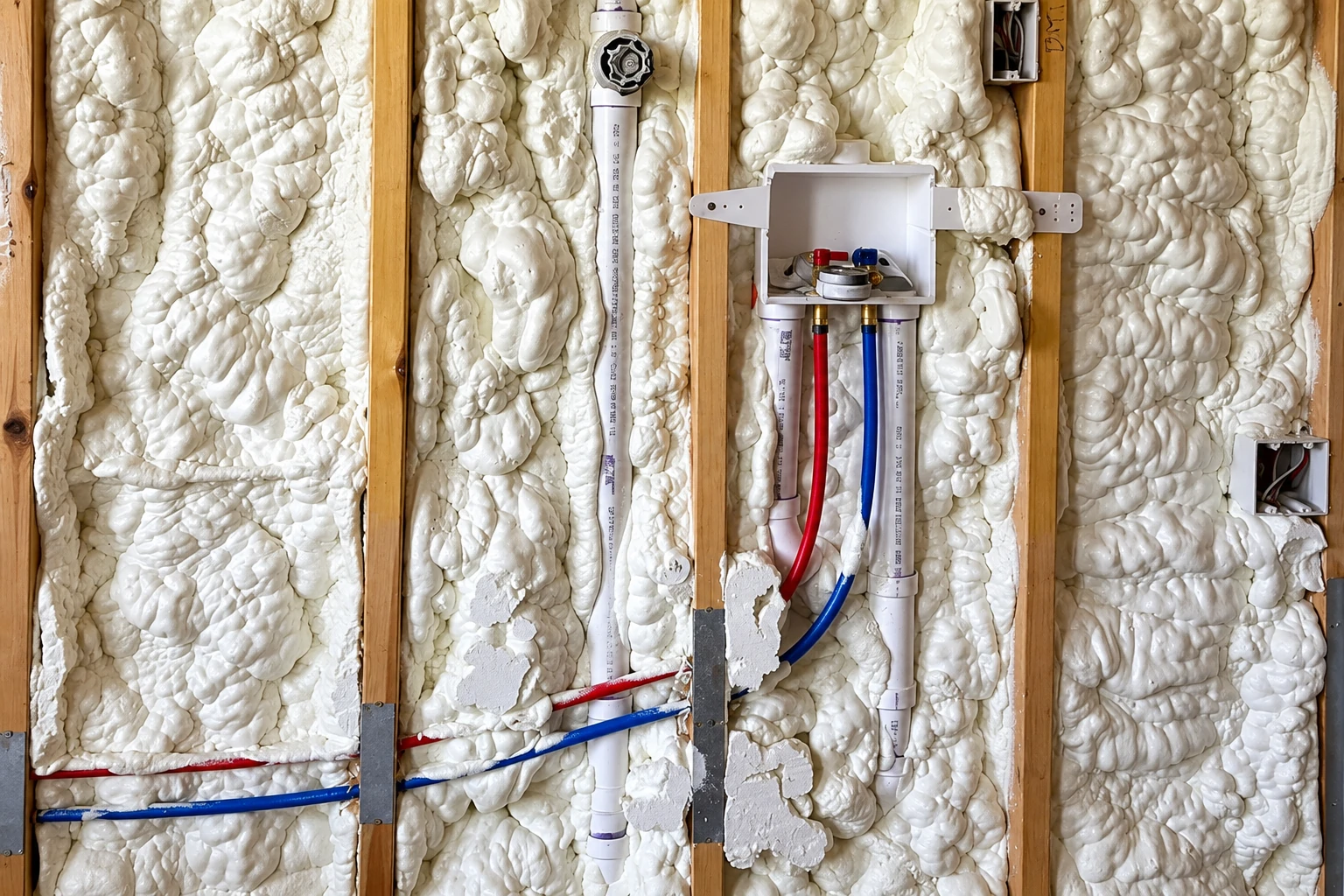
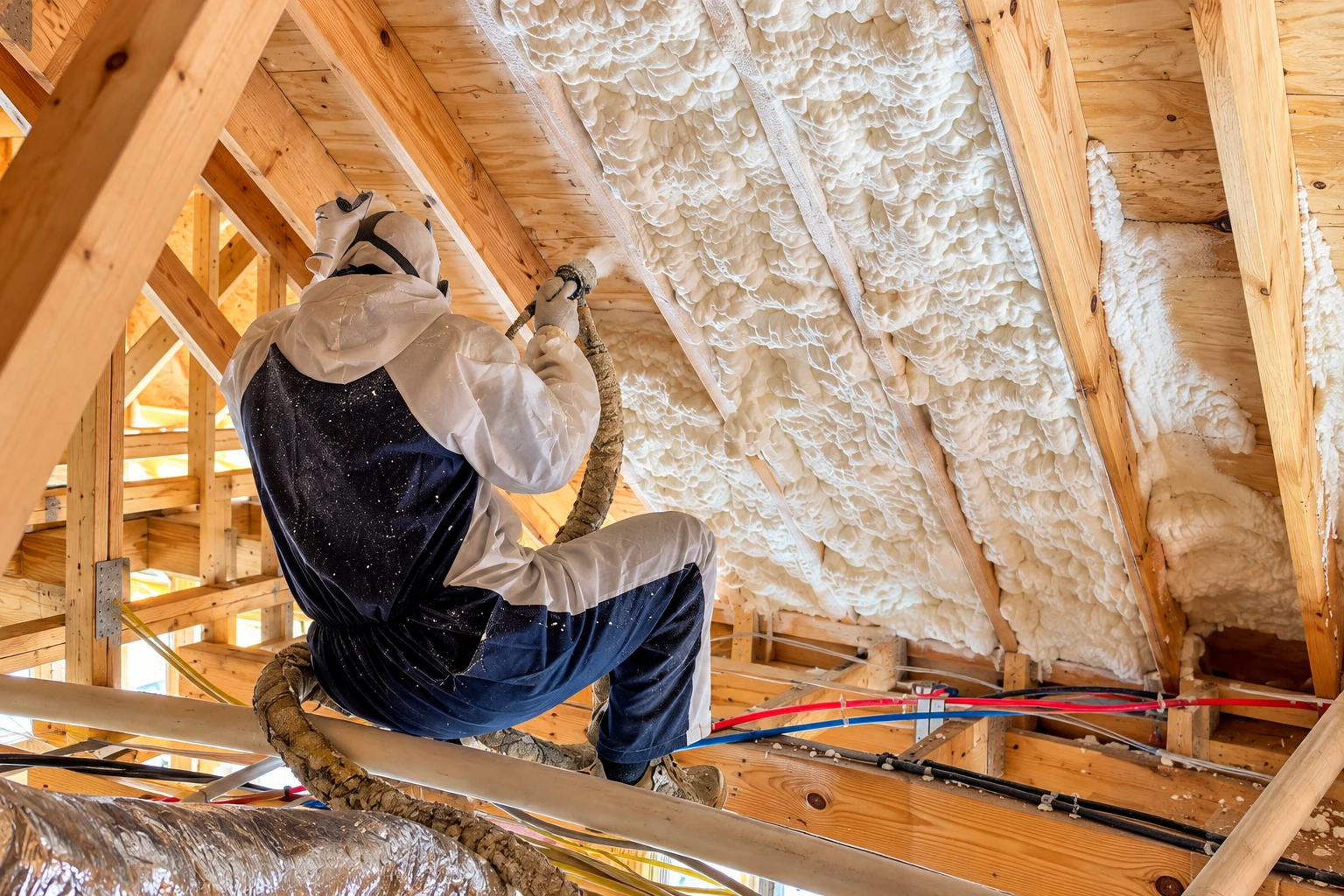
Spray foam fits the tight rooflines and odd framing we find over additions here, because it seals air and insulates in one pass where rolls won't lie flat.
When the room over the garage runs hot, we check how many inches are up there, clear what's ruined and top it up evenly to the edges.
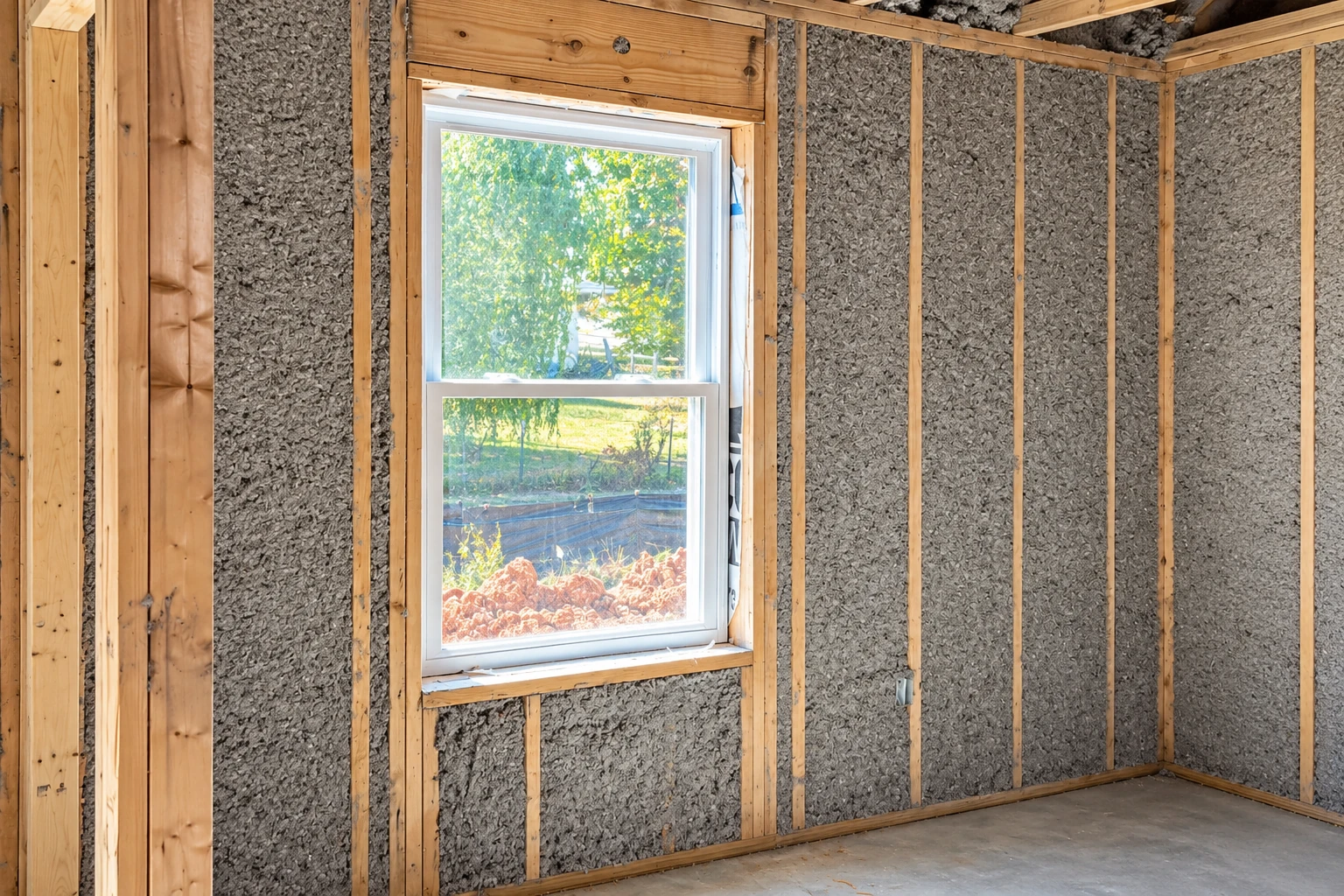
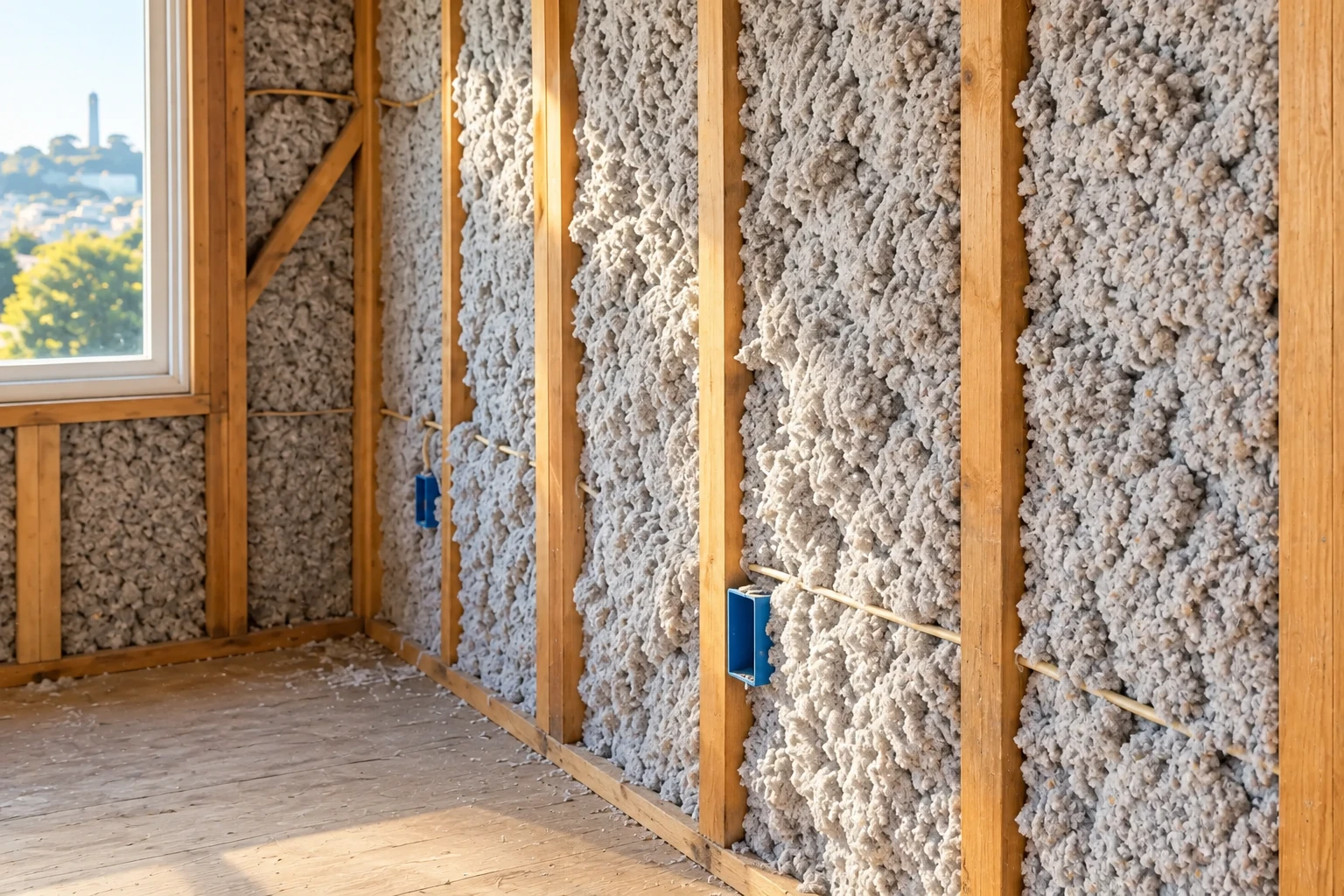
Blown-in insulation is loose fill we blow through a hose, so it reaches the corners of low attics on older houses here that nobody can crawl to.
Houses here that were added onto often leak in several spots, so we check attic, walls and floors together and start where it counts.
Plenty of attics here hold flattened, soaked or droppings-filled insulation, and it comes out first because new material on top only hides the problem.
Raised-floor houses here often have cold floors from an open crawl space, so we insulate under the floor after checking for leaks and loose wiring down there.
Many older walls here were closed up with little or nothing inside, and we can fill them from small holes without tearing out the plaster or stucco.
In older houses here, air sealing closes gaps around pipes, outlets, window trim and floor openings, which is where a lot of the drafty feeling in a room comes from.
Where a house here has a basement or a half-buried storage room, we insulate its walls with materials that handle damp, so the space stays usable.
Closed-cell foam is dense and blocks moisture, so it suits the crawl spaces and floor edges on raised houses here where damp would ruin softer insulation.
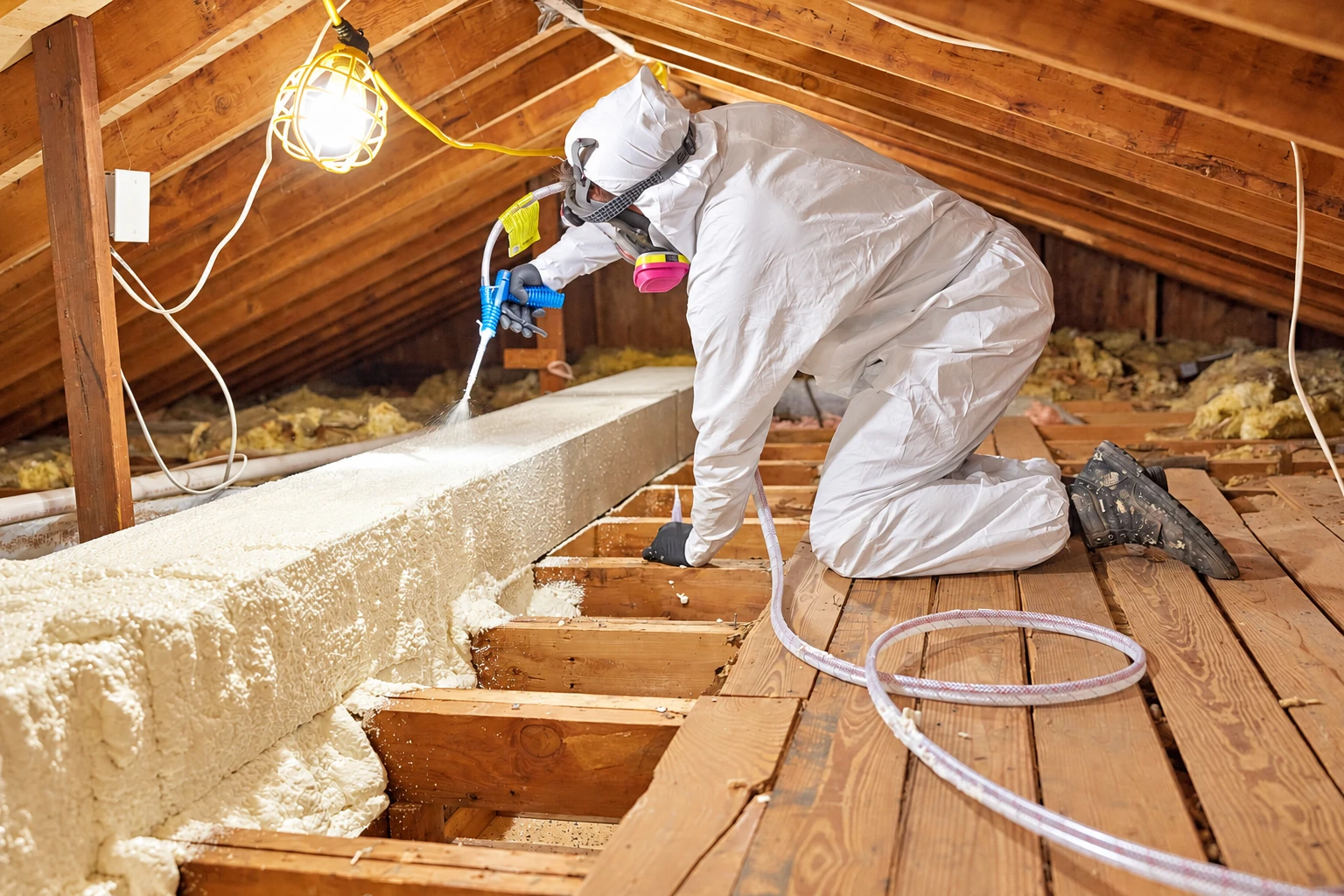
Open-cell foam is softer and lighter, and on houses here with ductwork in the attic, we spray it under the roof so the whole space is sealed.
The storefronts and larger apartment buildings along the busier streets get the same work in the same order, scheduled so tenants and customers aren't put out.
A plastic vapor barrier laid over the dirt under a raised house here keeps ground moisture out of the floor framing and the insulation we put above it.
In walls and finished rooms, we put a vapor barrier on the correct side of the insulation so moisture from cooking and showers doesn't settle into the framing.
Before we add anything to an attic here, we seal around can lights, pipes, wiring and the hatch, so the new insulation isn't fighting a draft.
Retrofit work is adding insulation to a house people already live in, and that's most of what we do here, working around furniture, old wiring and daily routines.
Get a written insulation estimate for your Florence-Graham home
We reply within one business day to set a time, then I come out, look at the attic, crawl space or walls with you, and put what we'd do, in order, in writing. It's free, with no obligation.
(424) 338-0203- Based in
- Lynwood, CA 90262
- Hours
- Mon–Sun: 7 AM–11 PM
Working in Florence-Graham, where the county handles permits
Florence-Graham isn't its own city, so LA County Public Works is the building office for homes here, the same as in the county's other unincorporated areas. I match your address to the right office before we price anything, because a property outside county jurisdiction can belong to a different one, and when a job needs a permit we pull it and set up the inspections, so those visits become part of your schedule. Before you hire anyone, check that they hold a state license from the Contractors State License Board, and ask the county Treasurer and Tax Collector whether their line of work also needs a County Business License.
What moves the price here is what's already up there, how much of it has to come out, how many gaps need sealing and how hard the attic or crawl space is to reach, and the schedule turns mostly on removal and any permit. The estimate puts what we'd do on your house, and in what order, in writing. Lots sit close together, so we plan parking and the hose run with your neighbors in mind, the way we do on similar streets in Willowbrook and Compton.
Why attics and crawl spaces here need attention
Most of the houses we open up here have been lived in a long time, and the attic shows it, with insulation packed down to a few inches, piled deep in the middle and thin at the eaves, sometimes soaked from an old roof leak or full of droppings. Thin edges and buried eave vents are where the trouble starts, because the attic stops breathing and the back bedroom or the room over the garage never feels right. We clear the bad material, seal the gaps around lights, pipes and the hatch, keep the vents open and then lay new insulation evenly out to the edges.
With homes on most of the land and bigger apartment buildings along the main streets, we hear from landlords and property managers here as well as owners. In a rental or a house with a family at home, we plan the work one area at a time so people can keep living there.
What happens when you call us about a Florence-Graham home
Here's how a job runs from your first call to the final walkthrough, with the plan in writing before any work starts.
Call and set a visit
When you call or send the form, I set a time to come look at the attic, crawl space or walls with you. It helps if you're home so you can show me the rooms that bother you.
Look first, then price
I don't price anything until I've seen the space, and then you get a written estimate that says what needs fixing first, what goes in and what comes out. That way you know where the money goes before you decide anything.
Prep and work in order
We cover floors and paths, then handle leaks, wiring and old material before anything new goes in. Our small crew does the work, and I'm on site running it.
Walk the finished space
Before we pack up, I walk the finished space with you so you can see the depth, the sealed gaps and the open vents. If something doesn't look right to you, that's the time to say so.
Questions about insulation in Florence-Graham
How much does attic insulation cost in Florence-Graham?
The cost of an attic job here comes down mostly to how much old insulation has to come out and how easy the attic is to work in, so the real number comes after I've been up there. Soaked or droppings-filled material has to be bagged and hauled before anything goes in, and a low attic with little headroom slows the crew down.
What is the best way to insulate an older house in Florence-Graham?
For most older houses here, sealing the gaps and topping up with loose fill is the better buy, and foam earns its higher cost mainly when the ductwork runs through the attic. Foam costs more because it seals air and insulates at once, which matters most when there are ducts up there to protect. Either way, bad old material comes out and the gaps get sealed first.
Do we have to leave the house during spray foam insulation?
Yes, with spray foam everyone in the house, pets included, stays out until the foam maker's re-entry time has passed, which is how long the maker says to wait before going back inside. With air sealing and blown-in fill, families usually stay home and just keep clear of the work area. I'll tell you which applies, and the wait for the product we'd use, before the job is booked.
When does an insulation contractor in California need a state license?
A contractor needs a California license whenever the job needs a building permit, uses hired workers, or the labor and materials total $1,000 or more. That small-job limit used to be $500, and it only covers work with no permit and no employees, so an attic job done by a crew calls for a licensed contractor. We're fully licensed and insured.
How do I find out if my insulation job in Florence-Graham needs a permit?
Ask the county building office we named above, since its permit list covers alterations, repairs, replacements and mechanical systems but doesn't name insulation on its own. Public Works suggests finding your local office through its Service Locator and calling or emailing to ask what your project requires. I check this when I write your estimate, and if a permit is needed we pull it.
When is the first inspection due after getting a permit in LA County?
The county says to request the first inspection within 12 months of getting the permit. After that, a follow-up inspection every 6 months keeps the permit active, so a job can't sit half-done for long. When we pull the permit, we set up the inspections too.
Lynwood, CA
Book an attic look in Florence-Graham
We take calls every day from 7 AM to 11 PM, so you can ring (424) 338-0203 after work or send the form tonight.